

Generator Safety 101: Protecting Your Home and Loved Ones
Investing in a generator feels like the ultimate life hack to power outages during Texas storm season and unpredictable winters. And in many ways, it is! That is, as long as you prioritize safety. There’s owning a generator. Then there’s knowing how to maintain and use it properly.
At
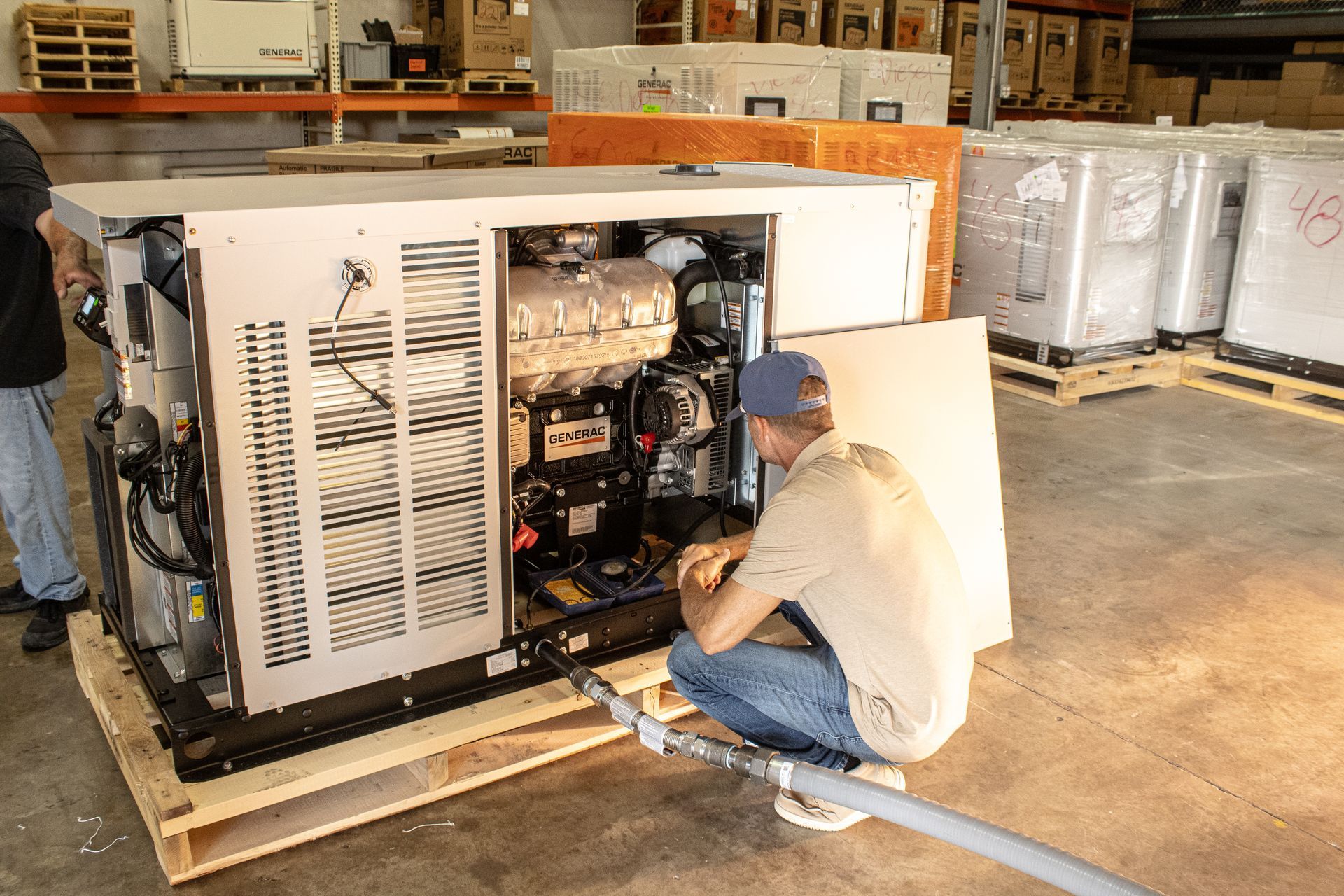
Premier Generators of Texas, we help families select and install Generac® generators, and we never leave anything to chance. Our experts stress the importance of treating these units with care, and we’re happy to share detailed tips on standby generator safety.
Standby Generator Safety Starts With Unit Placement
Carbon monoxide is the most serious hazard associated with home generators, as the gas is odorless and can build up in enclosed spaces.
You must have the unit installed outdoors and at least 20 feet from your home, with the exhaust pointed away from your windows, doors, and vents.
Our technicians also recommend installing battery-powered carbon monoxide detectors on every level of your house to add another layer of protection and alert your home before fumes build up.
Why It’s Best to Invest in Professional Generator Installation
Backup generator units are wired directly into a home's electrical system. Our experts at Premier Generators of Texas handle every part of the process.
We do it all, from pouring the concrete pad to installing the transfer switch that prevents backfeed, which is electricity flowing backward into utility lines and can shock repair crews working to restore power.
Additionally, local codes dictate how far a generator unit must sit from windows, doors, and combustible materials, so getting the placement right with trained technicians from the start protects your home and avoids costly rework.
Professional installation sets the safety foundation that routine maintenance builds on for years.
What Are Some Fuel Storage and Handling Tips?
Gasoline, propane, and diesel have separate safe storage protocols, but the golden rule stays the same: Never refuel a generator while it's running or still hot. Let the engine cool completely, since spilled fuel on hot components can ignite.
Store fuel in approved, labeled containers away from living spaces and heat sources, and rotate your supply periodically to prevent it from breaking down. And if your generator runs on propane, have the tank and connections inspected annually for leaks.
Our Go-To Generator Safety Checklist
This simple generator safety checklist keeps small issues from becoming costly repairs or safety hazards before or during the next power outage:
- Test your generator: Run your generator for 15 to 20 minutes once a month to make sure it works.
- Check the unit’s fluids: Check that the oil and coolant levels are full every month and after every 24 hours of continuous use.
- Test the battery: Every three months, check that the battery is charged, and replace it every 2 to 3 years so it’s always ready to start.
- Inspect wires: Every 6 months, look for frayed, damaged, or rusted cords and connections, and replace them as needed.
- Clear the vents: Remove leaves, twigs, and other debris from around the unit to ensure it gets enough air. Do this weekly during storm season.
- Use thick cords: Always use heavy-duty, outdoor-rated extension cords.
- Avoid overload: Figure out how much power you need before plugging items in so you never overload the system.
- Put it on the calendar: Schedule a full professional generator tune-up once a year.
Electrical Generator Safety Basics Every Homeowner Should Know
Learning and practicing the basics of electrical generator safety prevents dangerous shocks and protects these appliances from damage, such as:
- Keeping it dry: Never touch a generator with wet hands, and don't let it sit in standing water. Professional unit placement with a concrete slab may help it avoid areas in your yard that have trouble draining properly.
- Plugging directly in: Plug your appliances straight into the outlets on a portable generator. Never plug it into your home's regular wall outlets unless a professional installs a transfer switch.
- Checking the grounding: Before the first use, refer to your owner's manual or ask a licensed generator technician to ensure your generator is properly grounded to prevent electric shock.
Find Standby Generator Experts Near Dallas-Fort Worth, TX
At Premier Generators of Texas, we install, service, and maintain generator systems for homeowners in the Dallas-Fort Worth area, providing reliable backup power built on safety and performance.
Contact us online or call (214) 945-2525 to request your quote today.
Premier Generators of Texas is proud to serve Dallas, Fort Worth, Collin County, McKinney, Plano, Tarrant County, and Denton County, TX.